In short: The top distillery software is a comprehensive ERP platform that tracks production from grain to glass. It automates proof gallon calculations, attributes costs accurately, manages barrel inventory, and simplifies federal tax reporting, allowing operators to focus entirely on crafting quality spirits.
When evaluating the number one distillery software for your operation, you must look beyond basic spreadsheets and find a system that mirrors your actual production floor. Startups and expanding craft plants face a steep learning curve when dialing in their physical equipment. The highest priced still will not make a good product on its own. Quality comes from learning your tools, mastering fermentation, and managing your aging program. Software serves as the digital twin of your physical plant, capturing the data from those processes so you can replicate your successes and avoid repeating costly mistakes.
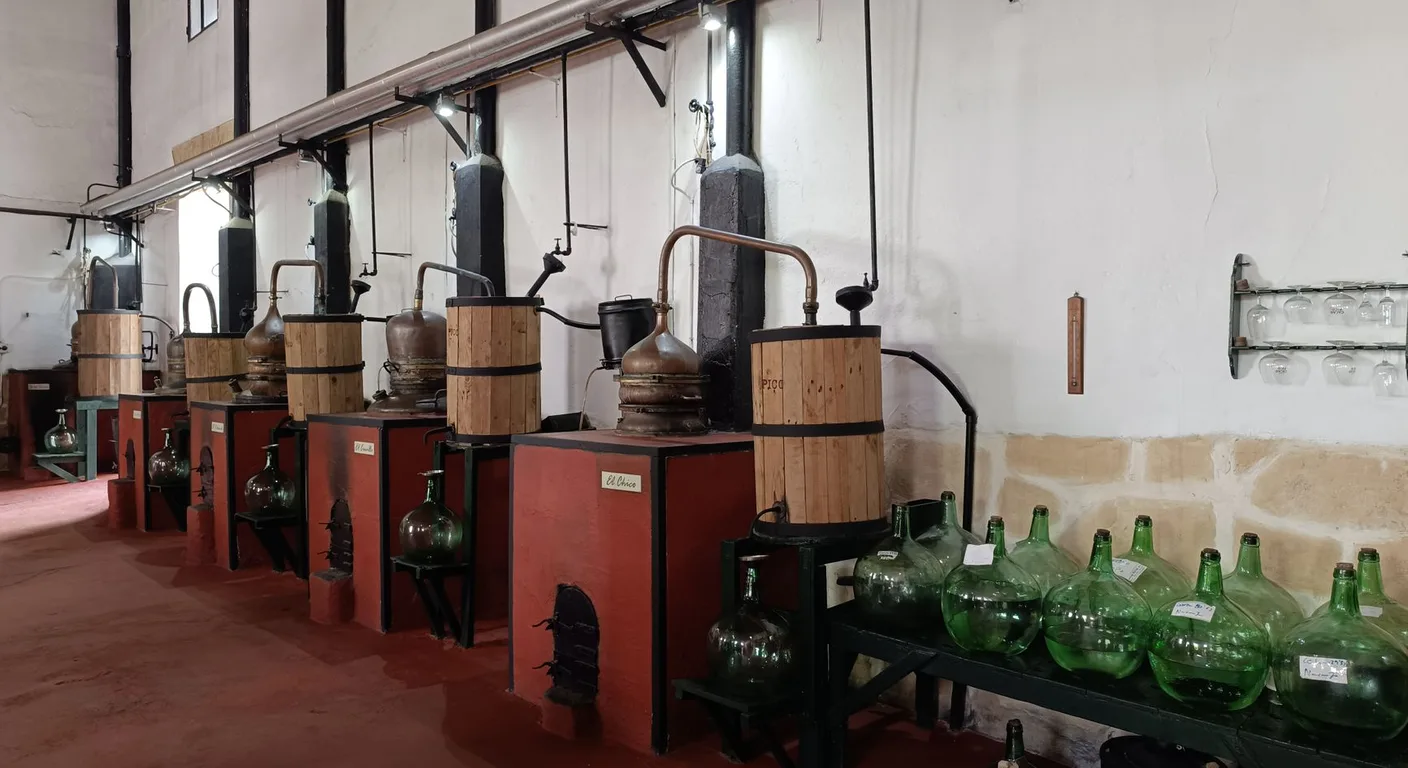
Whether you are running a steam heated copper pot still or a massive stainless steel continuous column, tracking your yields, costs, and compliance is critical to survival. The right platform connects your daily mashing and distilling logs directly to your financial ledgers and federal reporting. This integration allows you to focus on crafting great spirits instead of chasing down missing data on a clipboard.
A complete enterprise resource planning system for a distillery goes far beyond simple inventory. It must accurately track every phase of your production floor, from mashing to aging. It must seamlessly handle proof gallon calculations, attribute raw material costs, manage complex barrel inventories, and automate your federal compliance reporting.
What defines the number one distillery software for your plant?
If you are running a versatile hybrid still to make whiskey, rum, vodka, and gin, your software must handle multi-category production seamlessly. As many experienced operators will tell you, a single hybrid still can absolutely produce a wide variety of spirits. Moving between these categories requires strict standard operating procedures. A high proof vodka run strips flavor and requires an entirely different setup than a robust, flavorful whiskey run.
Your management system should allow you to schedule thorough cleaning cycles between these distinct spirit types. It must also track the different mashbills and record the wildly differing yields of each run accurately. The best software will let you create specific recipes and bills of materials for every product line. When you switch from gin to bourbon, the system should automatically adjust to track botanicals by the gram and grain by the pound. This ensures your raw material inventory is always accurate and your ordering schedule remains on track.
Furthermore, your software must capture the nuances of your specific fermentation processes. Yeast pitching rates, ambient temperatures, and fermentation times all impact the final yield. By logging these data points in a centralized system, your production team can identify which variables consistently produce the best yield and flavor profile.
How does your equipment choice impact your software needs?
Many distillers debate whether to start small and upgrade later or buy bigger equipment right up front. Upgrading a steam heated system later often costs twice as much and requires a full boiler and cooling rebuild. Most seasoned builders advise starting with at least a 120 gallon capacity and sizing the boiler, chiller, and fermenters for future expansion. Your software must be able to scale alongside this physical equipment, seamlessly adding new tanks, fermenters, and stills to your digital floor plan without breaking your historical production data.
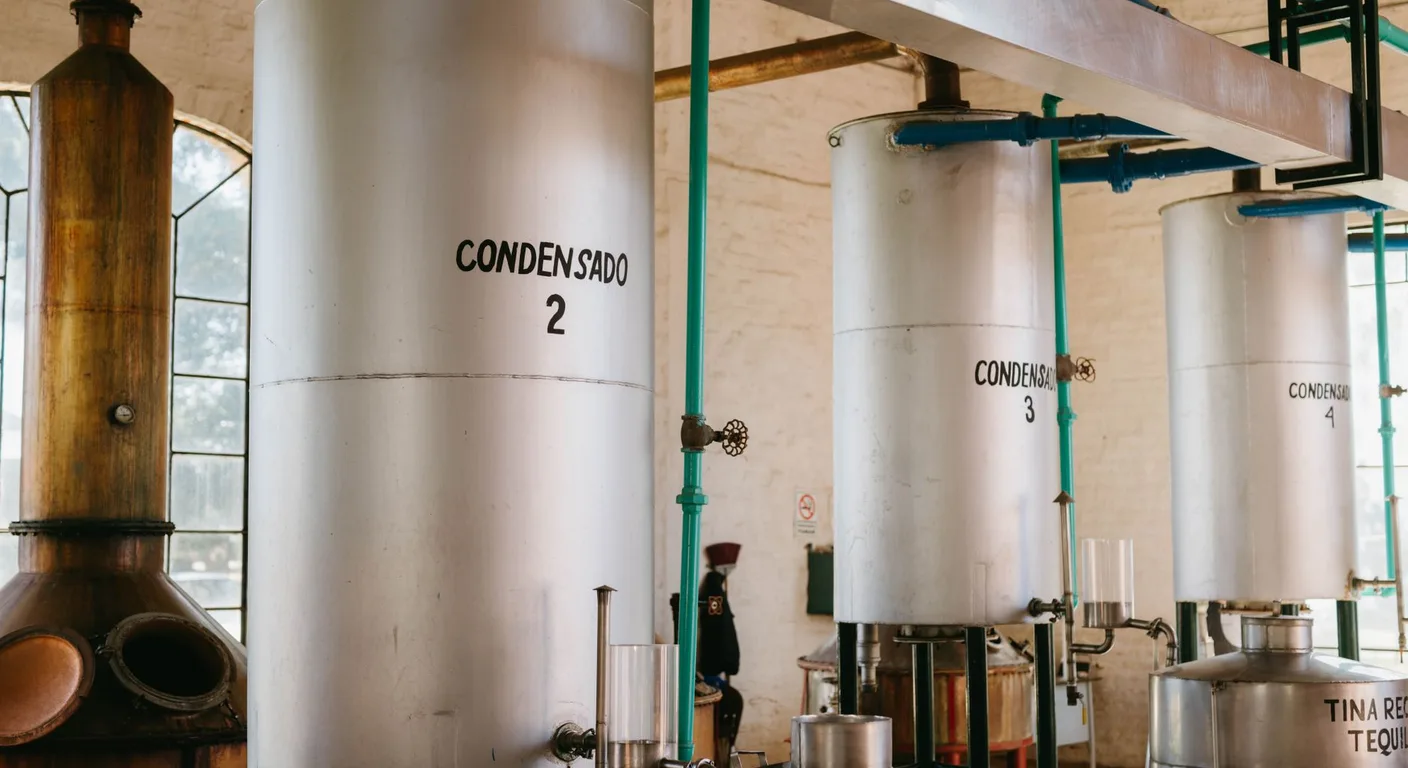
A common and highly effective strategy in craft facilities is using a separate, cheaper stainless steel stripping still. This protects your expensive copper finishing still and roughly doubles your output for far less cost than buying a second finishing still. Practitioners report no quality change when the stripping still is properly integrated into the process. Tracking a batch that moves from a mash tun to a stainless stripper and finally to a copper spirit still requires precise cost attribution.
Every hour of labor, every pound of grain, and every unit of energy must carry over from one asset to the next. For those who prioritize strict distillery cost accounting, knowing the exact cost per proof gallon at each phase is what separates profitable operations from struggling ones. If you use your still as a mash tun early on to save capital, your software should highlight this bottleneck, showing you exactly how much production time is lost by using a single vessel for multiple distinct steps.
Building your own equipment can save money if you truly understand the design and engineering requirements. Pressure vessel welds require certified welders, and local approvals from the fire marshal apply regardless of your equipment origins. When home built gear wears out or you transition to commercial industrial equipment, your software needs to log the depreciation of those expensive assets and fold that overhead into your cost of goods sold.
Integrating brewery equipment into your distilled spirits plant
Another frequent question among new operators is whether microbrewery equipment can be repurposed for a distilled spirits plant. The short answer is yes. Brewery tanks and temperature controlled fermenters work incredibly well, especially since a whisky wash is essentially beer without hops.
However, you must match the equipment to your specific scale and process. Grain-in American whiskey processes require entirely different gear, such as an agitated still and heavy duty pumps, compared to liquid wash styles. If you integrate brewery gear, your software must be flexible enough to track both grain-in and liquid wash fermentations.
It needs to handle complex conversions between different units of measure, tracking malt in pounds, liquid volume in wine gallons, and final distillate in proof gallons. Having a rigid system that only understands one specific method of making spirits will frustrate your production staff and inevitably lead to inaccurate inventory counts. The software should seamlessly convert a 500 gallon wash into the expected proof gallon yield, giving your distillers clear targets to hit during their daily runs.
Why is tracking proof gallons critical for federal compliance?
Copper on the hot side of a still acts as a catalyst that removes sulfur compounds and produces a softer, cleaner spirit. In the cooler distillate path, such as the condenser or the spirit pipe, the copper benefit largely disappears. This makes stainless steel a reasonable, durable, and easier to clean choice for those cooler components. Regardless of whether your spirit flows through a solid copper alembic pot or a stainless column with copper plates, the moment it leaves the still, it must be accurately gauged.
Gauging is the strict process of determining the exact quantity and proof of your spirits. The federal government taxes distilled spirits based on proof gallons rather than standard liquid volume. If your operators are manually calculating temperature corrections and proof on paper, human error is completely unavoidable.
A strong management system will automate these critical conversions. You can also utilize a reliable proof gallon calculator to verify your manual hydrometer readings against the software. According to the Alcohol and Tobacco Tax and Trade Bureau, strict regulations govern exactly how spirits must be gauged and recorded for tax purposes, as detailed in the eCFR Title 27 Part 30. Please note that this is general information and does not constitute tax or legal advice.
Your software must generate the correct daily logs for the TTB processing and production reports. It ensures that every drop of high proof distillate is accounted for before it is cut with water, bottled, or entered into a barrel for maturation. Missing data on these forms can lead to stressful audits and severe financial penalties, making automated compliance features non-negotiable for serious operators.
Managing barrel inventory and the true cost of aging
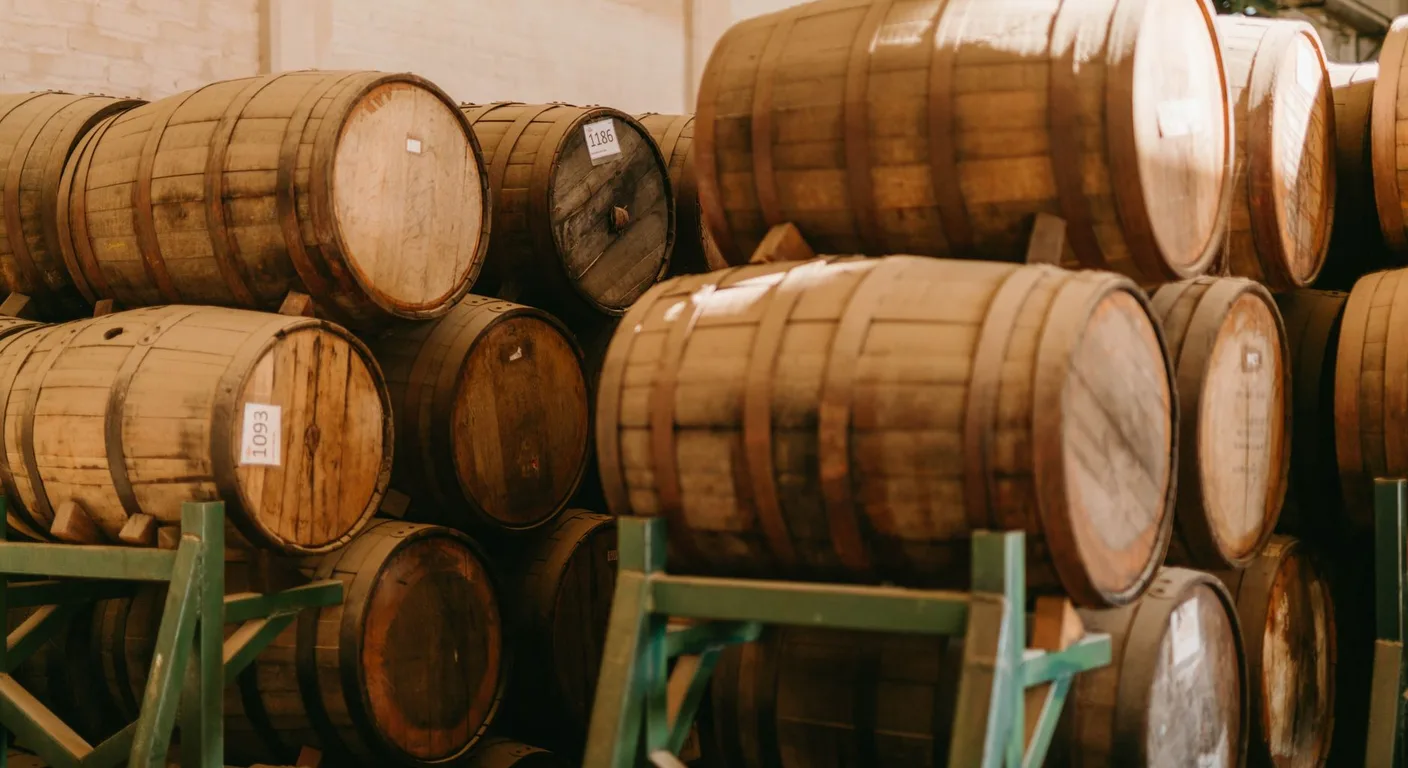
Once the distillate leaves the finishing still, it often enters a barrel. This is where the long game of distilling truly begins. Managing a rickhouse is entirely different from managing an active fermentation schedule or a daily distillation run. Over the years, barrels leak, the angels share evaporates, and the wood extracts fundamentally change the liquid inside.
Your software must track the exact location, entry proof, entry volume, and fill date of every single cask in your warehouse. Effective barrel management platforms allow you to record regauge events and track the accumulated storage costs over time. A barrel of bourbon that has aged for six years carries a much higher financial burden than a fresh batch of unaged vodka. The warehouse rent, insurance, utility costs, and labor for periodic sampling all need to be tied directly back to the cost of goods sold for that specific barrel.
When it is finally time to pull five distinct barrels to create a small batch bourbon, your software must calculate the weighted average proof and the combined financial cost of all five casks. Furthermore, when you dump those barrels for bottling, you must calculate the excise tax owed upon removal from bond. The Craft Beverage Modernization and Tax Reform Act provides reduced tax rates for certain tiers of production, as outlined by the TTB CBMA guidelines. Having a system that applies the correct tax class to your bottled spirits prevents you from overpaying the government or facing steep penalties during a federal audit.
How can software improve raw material and inventory forecasting?
Running out of bottles, closures, or specialty malts can bring your entire production schedule to a halt. A robust software platform goes beyond tracking what you have used and helps you predict what you will need. By analyzing your upcoming production schedule, the system should generate material requirements planning reports.
Supply chains in the beverage industry can be unpredictable. Custom glass molds and specialized corks often have lead times stretching into months. Your distillery software should allow you to set reorder points and automated alerts for critical inventory items. When you schedule a bottling run for your flagship whiskey three months from now, the software should instantly verify if you have enough glass in the warehouse or if a purchase order needs to be generated today.
Tying your procurement directly to your production schedule eliminates emergency shipping costs and prevents idle labor on the bottling line. It also provides your financial team with clear visibility into upcoming cash flow requirements, allowing them to budget for large bulk purchases of grain or glass ahead of time.
What role does your management system play in quality control?
Crafting a superior product requires consistency, and consistency requires rigorous quality control. Your software should serve as the central repository for all sensory panel results, lab tests, and quality checks. Recording the pH of your mash, the final gravity of your wash, and the specific ester levels of your distillate allows you to build a comprehensive quality profile for every batch.
In the rare event of a product recall, lot traceability becomes your most valuable asset. If a supplier notifies you of a contaminated batch of grain, you must be able to trace that specific delivery through your facility. The number one distillery software will show you exactly which mash tuns received the grain, which barrels hold the resulting spirit, and which retail accounts purchased the finished bottles.
This level of grain to glass traceability is not just a best practice for consumer safety. It is a fundamental requirement for securing favorable insurance rates and protecting the hard earned reputation of your brand.
Choosing a comprehensive enterprise system
Spirit Sight is designed specifically to handle all these complex moving parts, from the mash tun directly to the rickhouse. Our platform tracks your daily production routines, calculates exact proof gallons automatically, and accurately attributes your raw material and overhead costs to every single bottle.
By automating your TTB reporting and providing deep visibility into your barrel management, Spirit Sight gives you the clarity and audit ready records you need. You can ditch the scattered spreadsheets and isolated clipboards in favor of a unified digital platform. When your production, compliance, and financial data live in one place, you gain the insights necessary to run a highly efficient, well documented, and profitable distillery.
Key takeaways
- Your software must scale alongside your physical equipment, tracking distinct production phases like stripping and finishing runs.
- Accurate cost attribution is essential when moving spirits through different vessels to understand your true cost of goods sold.
- A robust platform automates liquid volume to proof gallon conversions, ensuring strict compliance with federal gauging regulations.
- Effective distillery tools link long-term barrel aging and overhead expenses directly to your final financial ledgers.
- Comprehensive lot traceability protects your brand by tracking raw materials from the initial supplier straight through to the finished bottle.
Frequently asked questions
Can one still make whiskey, rum, vodka, and gin?
Yes, a versatile hybrid or column still can produce multiple spirits, provided you schedule thorough cleaning cycles between runs and track distinct mashbills accurately.
Why use a separate stripping still in a distillery?
A dedicated stainless steel stripping still protects your expensive copper finishing still and can double your production capacity without the high cost of a second premium still.
Do I need to track proof gallons for every distillation run?
Yes, the federal government taxes distilled spirits based on proof gallons rather than standard liquid volume, making precise gauging mandatory for federal tax compliance.
Can you use microbrewery equipment in a distillery?
Yes, brewery tanks and temperature controlled fermenters work well for liquid wash processes, but your software must handle the specific unit conversions required for distilling.