In short: The main difference in a pot still vs column still: what each means for your spirit comes down to batch versus continuous production. Pot stills produce heavier, lower proof spirits in individual batches. Column stills operate continuously, efficiently stripping away congeners for lighter, high proof spirits.
Understanding the debate of pot still vs column still: what each means for your spirit begins with the fundamental difference between batch and continuous distillation. A pot still operates in discrete batches, producing lower proof distillate that retains heavy, robust flavor compounds ideal for traditional whiskey and rum. A column still can run continuously, stripping out more water and congeners to hit the much higher proofs required for vodka or lighter spirits. Both equipment types impact your overhead costs, daily production schedule, and eventual barrel inventory. Note: This article discusses general regulatory concepts and industry practices, but does not constitute legal or tax advice.
Whether you are pricing out your first facility or expanding an existing distilled spirits plant, understanding exactly how your distillation equipment affects your finished product and bottom line is critical. The highest priced still will not make a good product entirely on its own. Quality comes from mastering your tools, managing your fermentations, and understanding the chemistry happening inside the kettle.
What is the operational difference between a pot still and a column still?
The core operational difference between these two systems lies in how they process the fermented wash and how efficiently they separate ethanol from water.
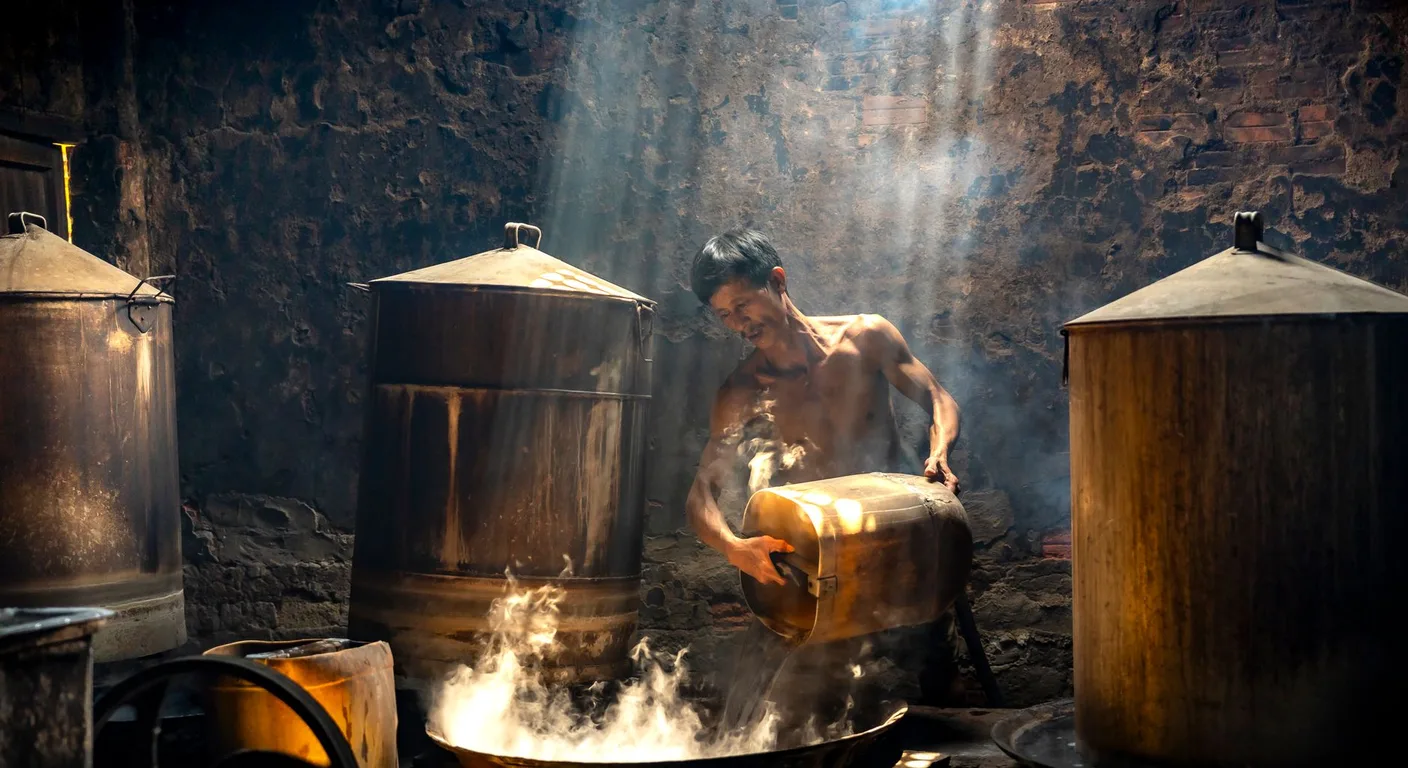
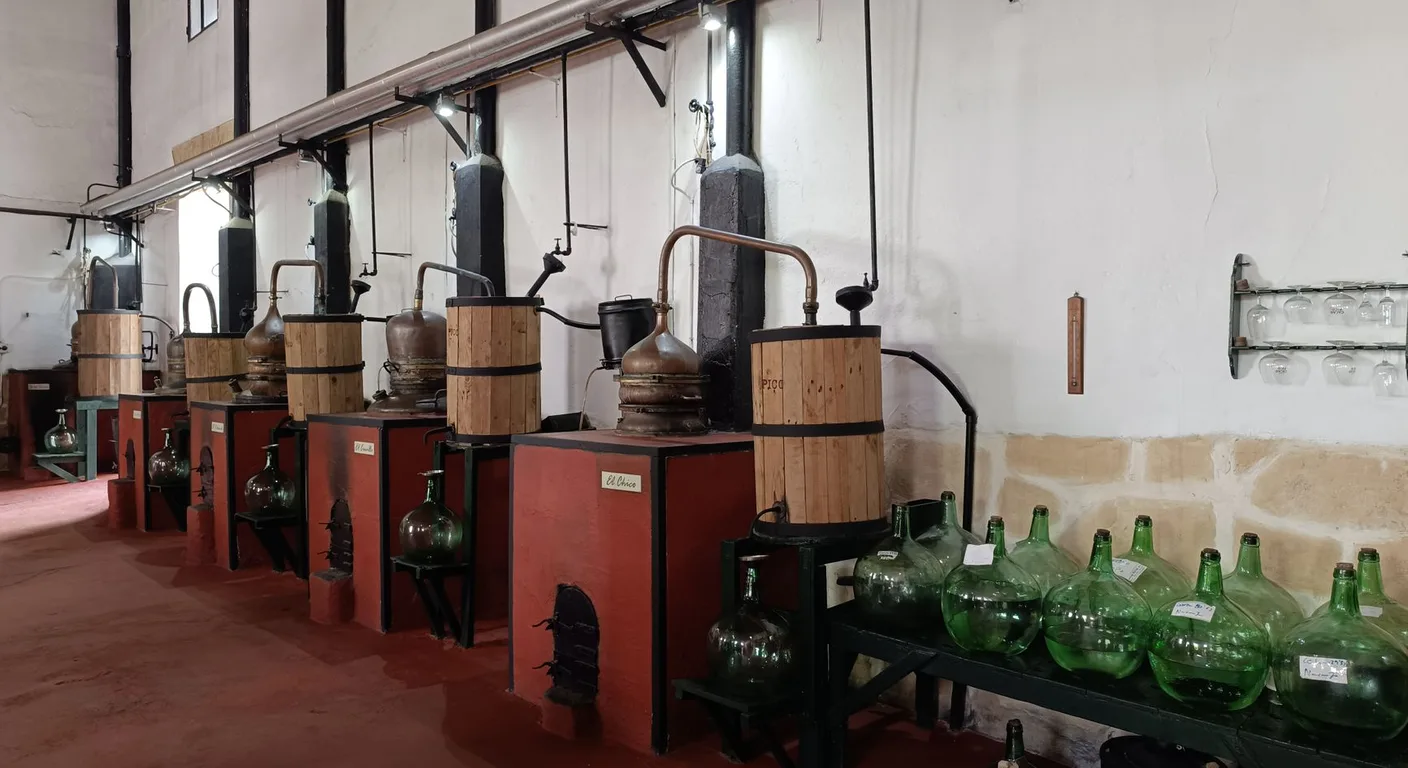
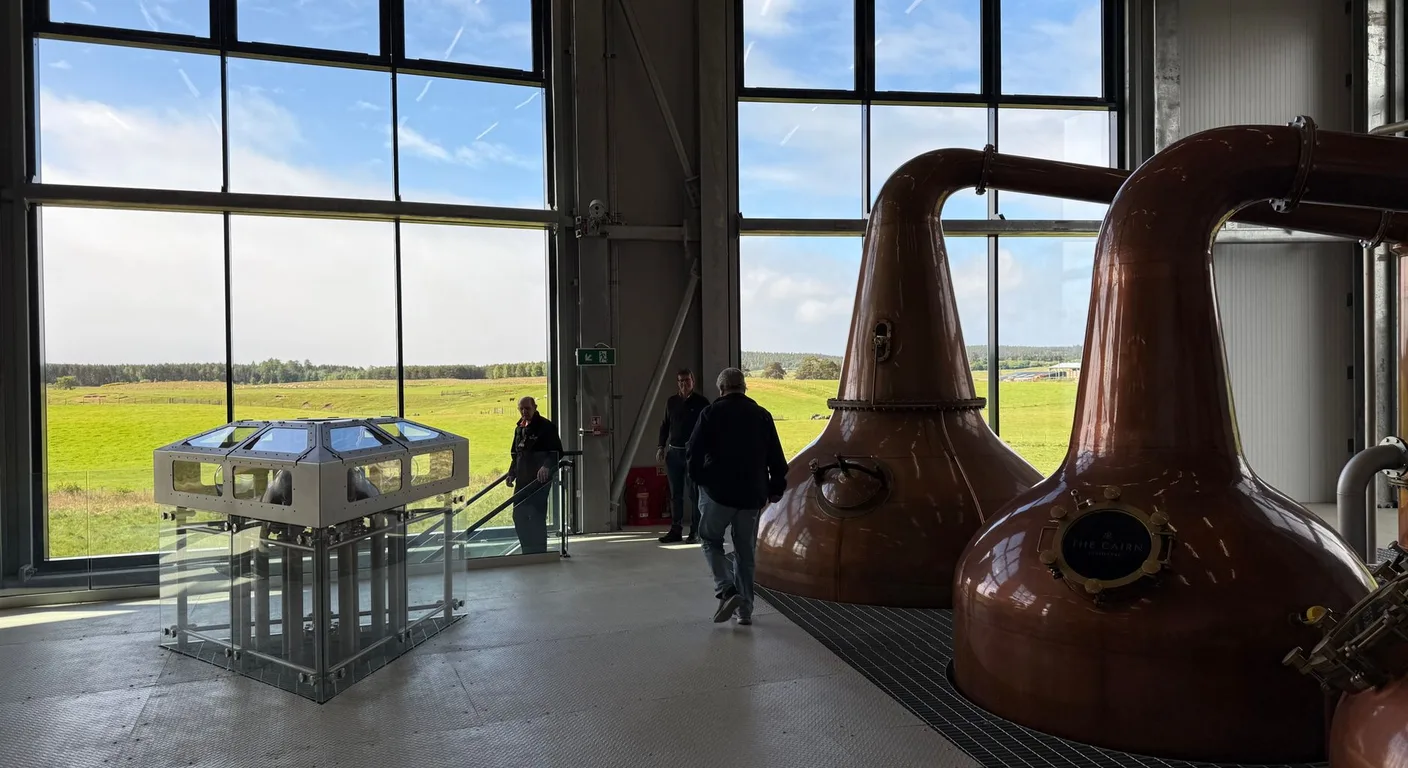
A pot still is a batch distillation system. You fill the kettle, heat it up, and capture the vapor as it boils off and runs through a condenser. Because a simple pot still only represents a single distillation pass, the resulting liquid is relatively low in proof and contains a high concentration of congeners. Congeners are the chemical compounds responsible for the rich, heavy flavors and aromas found in spirits. To reach barrel entry proof or final bottling proof, distillers typically run the product through a pot still at least twice. The operator must manually make the cuts for heads, hearts, and tails during the run, making this a labor intensive process that yields a highly flavorful spirit.
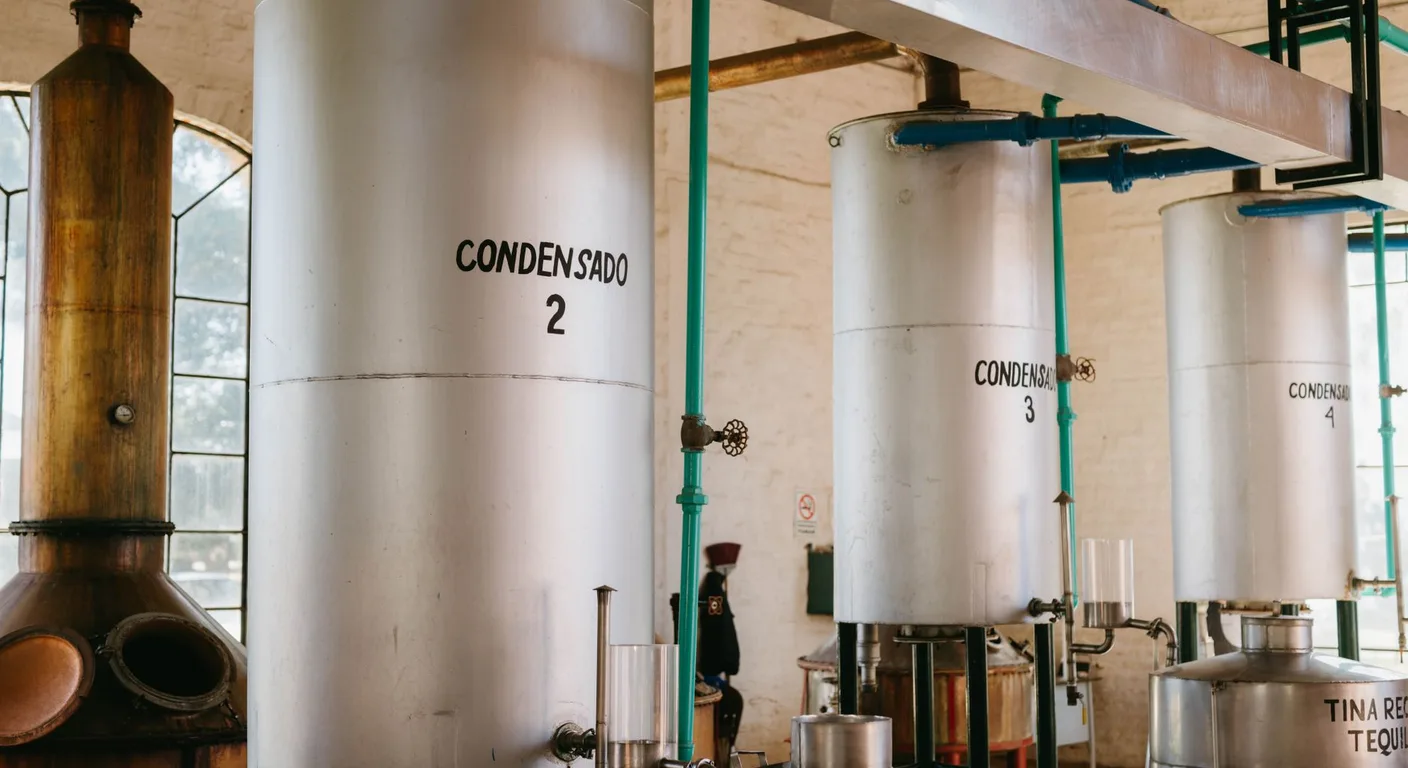
A column still operates quite differently. Also known as a continuous still, it consists of a tall column filled with perforated plates. As steam rises from the bottom, wash is continuously pumped in from the top. The rising vapor interacts with the descending liquid at each plate layer, undergoing constant vaporization and condensation. This process is known as reflux. A column still can efficiently separate ethanol from water in a single continuous run, producing spirits at a much higher proof. Because it strips away most of the congeners, the resulting spirit is lighter in flavor and body. Column stills offer massive efficiency gains for larger operations because they do not need to be shut down, emptied, and cleaned between every single batch.
How does still selection impact your daily schedule and overhead?
Choosing your equipment fundamentally dictates your weekly production schedule and your capital expenditure. Many startup distilleries wonder if they should start small and upgrade later. On a steam driven system, the cost gap between a 125 gallon still and a 500 gallon still is often minimal compared to the costs of installation. Upgrading your primary still later effectively costs double, factoring in downtime, retrofitting, and often a full boiler or cooling system rebuild. Industry veterans typically advise starting no smaller than 120 gallons, sizing your boiler and chiller for future expansion from day one.
To increase daily output without buying a massive, expensive copper finishing still, many operators utilize a separate stripping still. A stripping still is typically a less expensive stainless steel pot used strictly for the initial distillation pass. Using a stripping still roughly doubles your overall output for a fraction of the cost of a second finishing still. It also protects your expensive copper finishing equipment from the heavy wear and tear of boiling raw grain and yeast.
When scaling up production with multiple stills, tracking the financial side of your operations becomes more complex. You need robust distillery production software to monitor your yields from the initial mash run through the final spirit run. Accurately measuring how many proof gallons you generate per shift ensures you understand your true cost of goods sold before the liquid ever hits the barrel.
Is a hybrid still a bad choice for a startup making multiple products?
New distillery owners frequently ask if they can make whiskey, rum, vodka, and gin on a single still. The answer is yes, provided you select the right configuration. A hybrid still combines a traditional pot still base with an attached column. These columns feature bypassable plates, allowing the operator to customize the amount of reflux based on the spirit being produced.
Opinions in the distilling community often differ on hybrid systems. Some purists warn against multi-purpose rigs, arguing that specialized equipment always produces better results. However, many successful craft distillers use a hybrid still from day one with no regrets. By opening the bypass valves to skip the column plates, you can produce a heavy, flavorful whiskey or rum. By closing the valves and forcing the vapor through the column plates, you can strip the spirit up to the high proofs required for vodka or a neutral gin base.
The critical operational requirement for a hybrid still is sanitation. Thorough cleaning between entirely different spirit types is absolutely mandatory. If you do not adequately clean the pot and column after a heavy rum run, those pungent molasses notes will carry over and ruin a delicate gin or vodka batch.
Some startups also attempt to use their still kettle as a mash tun to save money. While this is physically possible, it ties up your distillation equipment for hours and usually lacks a proper cooling jacket or the necessary agitation to handle thick grain mashes. Investing in dedicated brewery style mash tuns and fermenters allows you to distill and mash simultaneously, vastly increasing your weekly output.
Where is copper truly necessary in your distillation equipment?
One of the biggest cost drivers in distillery equipment is the choice between copper and stainless steel. Copper is expensive, requires specialized welding, and wears down over time. However, it is fundamentally necessary for producing quality brown spirits.
Copper acts as a chemical catalyst during the distillation process. It binds with unpleasant sulfur compounds produced by the yeast during fermentation, removing them from the final spirit. Distillers who attempt to make whiskey on entirely stainless steel rigs frequently report a distinct, unpleasant funk in their distillate.
Fortunately, your entire still does not need to be made of solid copper. Copper matters most in the vapor phase and at the exact point of phase change. The hot side of the still, including the head, column, and plates, should be copper to ensure maximum vapor interaction. Many award winning whiskeys are made using durable stainless steel kettles equipped with copper columns or replaceable copper packing in the vapor path.
Conversely, in the cooler path of the distillate, the chemical benefits of copper largely disappear. For components like the final condenser and the spirit pipe, stainless steel is a highly practical choice. It is significantly more durable, easier to clean, and handles temperature fluctuations well without degrading.
Pot still vs column still: what each means for your spirit category
When evaluating a pot still vs column still: what each means for your spirit ultimately ties back to federal regulations. The Alcohol and Tobacco Tax and Trade Bureau dictates strict standards of identity for different spirit classes. You can review these statutory definitions in Title 27 of the Code of Federal Regulations, specifically Part 5, which outlines exactly how certain spirits must be distilled.
For example, to be classified as bourbon or rye whiskey, the spirit must be distilled at no higher than 160 proof. This relatively low maximum distillation proof ensures the spirit retains the flavor characteristics of the underlying grain. A pot still or a column still with very few plates is the standard equipment used to hit this exact regulatory window.
Conversely, to be classified as vodka, the spirit must be distilled at or above 190 proof to strip away distinct character, aroma, and taste. Reaching 190 proof is virtually impossible on a standard pot still without an exhausting number of separate distillation passes. A tall column still is essentially required to hit these high purity marks efficiently.
Because your still type dictates your final proof, it also dictates your storage operations. Heavy, low proof spirits coming off a pot still often require extended maturation time in the warehouse to mellow out and extract sugars from the wood. Lighter spirits coming off a column still may require less time or different barrel treatments altogether. Tracking these aging timelines, proof fluctuations, and evaporation rates requires reliable barrel management practices. Additionally, calculating exact proofs for TTB reporting across these different still types requires absolute precision. Using a reliable proof gallon calculator helps operations staff convert observed proofs and temperatures into the exact standard measurements required for federal tax compliance.
Spirit Sight is a comprehensive distillery management system built to handle the complexities of both batch and continuous distillation. From tracking initial mash bills to calculating exact proof gallon yields off the still, Spirit Sight ensures your production data flows seamlessly into your inventory and financial reporting. By automating compliance and standardizing your cost accounting, our platform frees you to focus on the craft of distilling rather than the burden of paperwork.
Key takeaways
- Pot stills operate in distinct batches and retain heavier flavor compounds ideal for traditional whiskey and rum.
- Column stills run continuously to efficiently separate ethanol and water, making them necessary for high proof spirits like vodka.
- Using a less expensive stainless steel stripping still for the first pass protects your copper finishing equipment and doubles production output.
- Copper is essential in the vapor path to catalyze and remove sulfur, but stainless steel is perfectly suitable for condensers and kettles.
- Federal standards dictate maximum distillation proofs, which heavily influences whether a pot or column still is required for your spirit.
Frequently asked questions
Can one still make whiskey, rum, vodka, and gin?
Yes. A versatile hybrid still with bypassable plates can produce multiple spirit categories. Operators must thoroughly clean the system between runs so heavy flavors do not carry over into lighter spirits.
Do I need an all copper still to make good whiskey?
No, copper is primarily needed in the vapor path to act as a catalyst and remove sulfur compounds. Many successful distilleries use a stainless steel kettle with copper plates, packing, or columns.
Why do distillers use a separate stripping still?
A dedicated stripping still takes the heavy wear of boiling raw wash for the first distillation pass. This approach roughly doubles daily production output and protects your primary finishing still.
Can I use my distillation still as a mash tun?
While possible, using your still as a mash tun ties up your distillation equipment and usually lacks proper cooling or agitation. Investing in a dedicated mash tun allows you to distill and mash simultaneously.