In short: Distilleries must secure a Basic Permit and Distilled Spirits Plant registration before producing alcohol. Maintaining compliance requires accurate bond coverage, precise tracking of proof gallons, submitting regular operational reports, and understanding when regulatory fee changes take effect.
Operating a commercial distillery requires strict adherence to federal regulations from the moment you decide to enter the business. Tracking the latest navigating ttb permit requirements fee changes effective dates is essential for any craft distillery planning an expansion, a new build, or ongoing compliance. Whether you are submitting your first Distilled Spirits Plant application or adjusting your bonds to cover increased production, understanding the federal timeline is critical. Please note that this article provides general information based on standard distillery operations and does not constitute official tax or legal advice.
The Alcohol and Tobacco Tax and Trade Bureau mandates specific bonding amounts, premises diagrams, and regular excise tax payments before any potable alcohol is legally produced. Maintaining robust distillery compliance starts with a thorough understanding of federal expectations. From initial application constraints to the ongoing daily logs required to manage a bonded facility, distillery operators must remain vigilant.
What are the basic TTB permit requirements for a new distillery?
A federal Basic Permit and Distilled Spirits Plant registration are legally required before you fire up a still to produce potable spirits in the United States. Unlike home brewing and winemaking, home distilling for personal use or hobby learning is strictly prohibited by federal law. Producers of potable alcohol must be fully licensed so the resulting spirit can be properly tracked and taxed from the moment it comes off the still.
Fortunately, the federal government does not set a minimum production size for a new entrant. If you want to operate on a very small scale, you can do so legally, provided you follow the regulations. You must secure your Distilled Spirits Plant registration, acquire all necessary state and local licenses, locate your distilling equipment in an approved and detached structure, and pay all applicable excise taxes on time.
Your federal application requires detailed documentation. You must submit diagrams of your facility, a comprehensive list of your specific distillation equipment including serial numbers and volumetric capacities, and thorough security plans. The federal agency needs absolute assurance that untaxed spirits cannot be removed from your facility without authorization. Heavy duty locks, secure doors, tamper evident seals, and clearly defined boundaries are mandatory elements of any approved application. You will also need to submit environmental impact reports, water quality information, and proof of your lease or property ownership.
How long does TTB permitting actually take?
The stated federal target for processing a perfected application is roughly 60 days. However, experienced operators know that the real world timeline from initial concept to opening day typically spans from 18 to 24 months. This extended timeline accounts for navigating local zoning approvals, passing fire marshal inspections, building out the physical plant, and finalizing your packaging and labels.
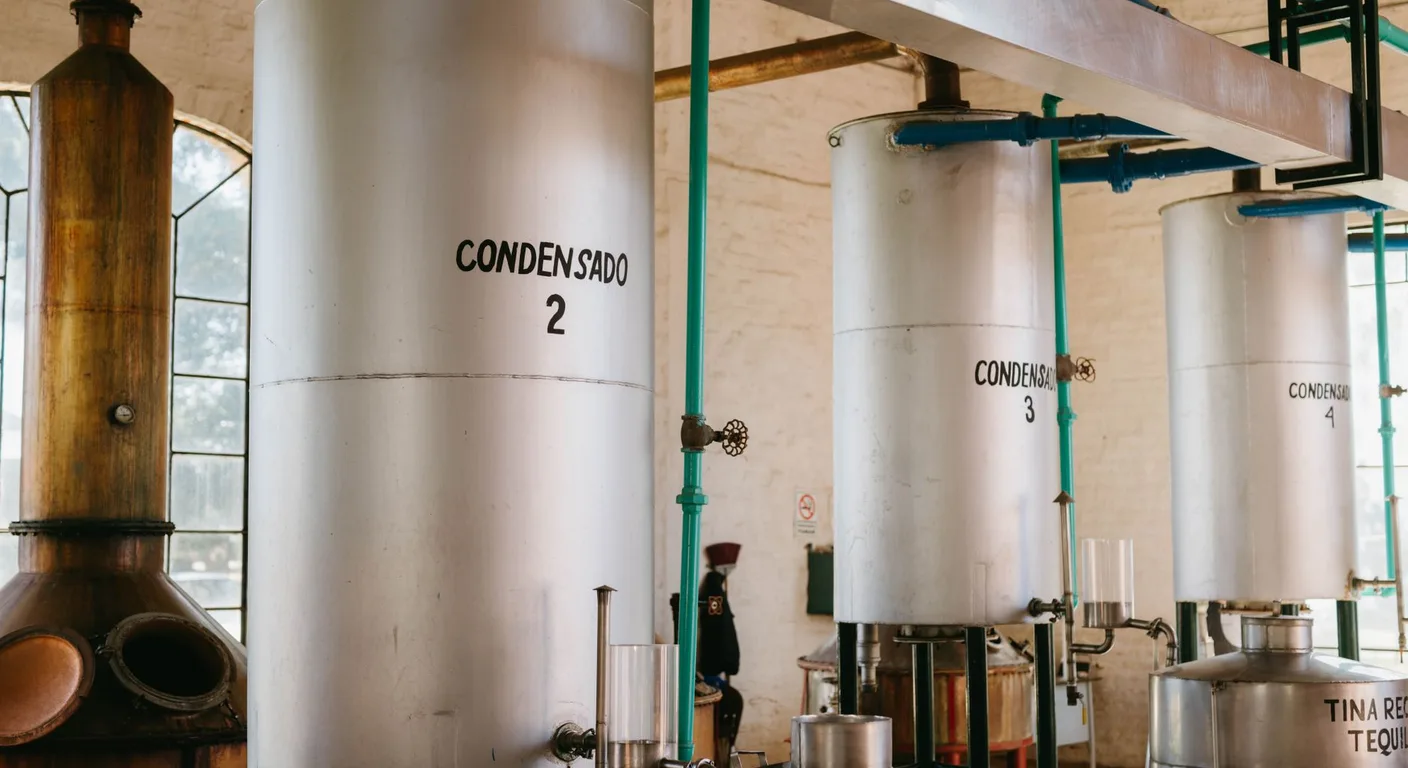
One of the most challenging aspects for new distilleries is the operational sequence. The federal agency will not inspect or approve your application until your plant is fully built, equipped, and secured. Your stills must be bolted down, your tanks must be in place, and your piping must be properly routed and labeled. You must plan your capital outlay around this constraint, knowing you will carry the cost of a fully equipped building for months before you can legally distill your first batch of spirits.
Once your physical plant is ready and your registration is finally approved, your administrative work is just beginning. You should immediately request access to online portals for label approvals and formulas. Furthermore, you must begin filing your monthly operations reports as zero reports, indicating no production, even if you are not yet ready to start mashing or distilling.
Navigating ttb permit requirements fee changes effective dates
Managing the administrative side of a distillery involves strict attention to regulatory deadlines. Navigating ttb permit requirements fee changes effective dates ensures your operation avoids costly penalties, unexpected tax bills, or permit suspensions. While the federal government eliminated the special occupational tax years ago, distilleries must still manage the financial burdens associated with required surety bonds, state licensing fees, and recurring excise tax filings.
Effective dates are particularly important when laws change or when your production scales up into a new tax bracket. Whenever a regulatory update alters reporting periods, modifies bond exemptions, or adjusts tax structures, distilleries must update their internal ERP systems on the exact effective date to remain compliant. Falling behind on these updates can lead to inaccurate tax filings, which trigger audits and financial penalties.
Maintaining your active permit requires you to report any significant changes to your business structure, location, or equipment. If you add new stills, expand your bonded footprint into an adjacent building, or change corporate ownership, you must file amended applications through the Permits Online system. Each of these amendments carries its own effective date that dictates when you can legally begin using the new equipment or the expanded operational space. You cannot simply install a new still and run it the next day - you must wait for official approval.
How are distillery bonds calculated and maintained?
Under 27 CFR Part 19, operators must post a bond sized to cover the potential federal tax liability of the spirits held on their premises. This bond is essentially an insurance policy for the federal government, ensuring the excise tax will be paid even if the distillery defaults, goes bankrupt, or experiences a catastrophic inventory loss.
The bond amount, known as the penal sum, is computed by multiplying the maximum number of proof gallons you plan to hold in your facility by the standard tax rate. Distillers generally use a surety bond issued by a licensed insurance company, though posting treasury notes or cash collateral is also permitted.
There are established minimums for these bonds. Distillers commonly cite a minimum for an operations bond, or a lower minimum if the facility is only producing or only warehousing. Many commercial distilleries opt for a combined unit bond that covers production, storage, and processing simultaneously. As of recent regulatory updates, certain small taxpayers who pay excise taxes on a quarterly or annual basis, and whose tax liability is below specific thresholds, may be exempt from the bond requirement altogether. However, you must explicitly confirm your eligibility for this exemption before dropping your bond coverage.
As you scale production and fill more barrels, your tax liability naturally grows. You must monitor your inventory levels continuously against your bond coverage. If your storage volume pushes your potential tax liability above your current bonded limit, you are legally required to apply for an increase. The legal company name and the calculated penal sum must be perfectly accurate upon submission, or the bond will be rejected.
How do operational reports keep your facility in compliance?
The backbone of distillery compliance is a rigorous system of daily recordkeeping and monthly reporting. The federal government tracks distilled spirits across three distinct operational accounts. These are the Production account, the Storage account, and the Processing account.
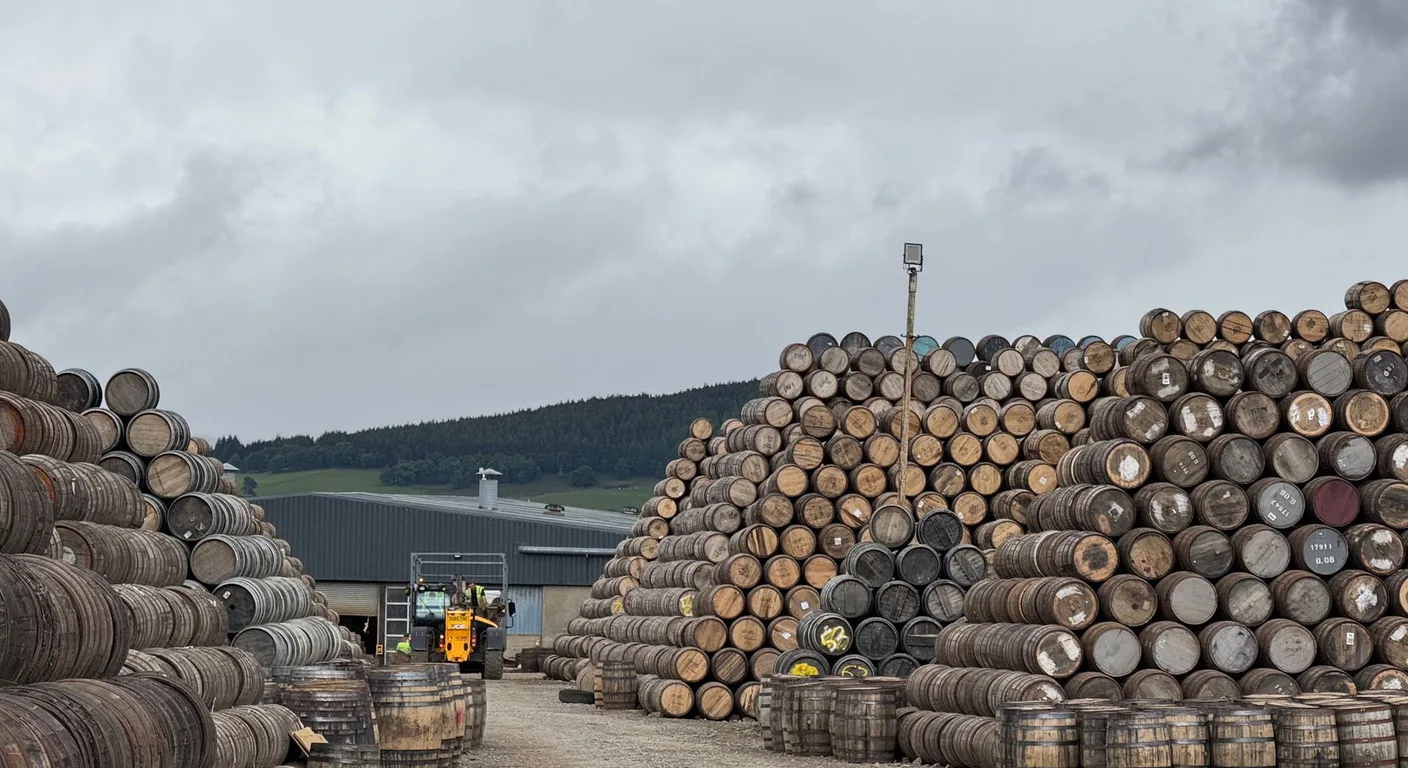
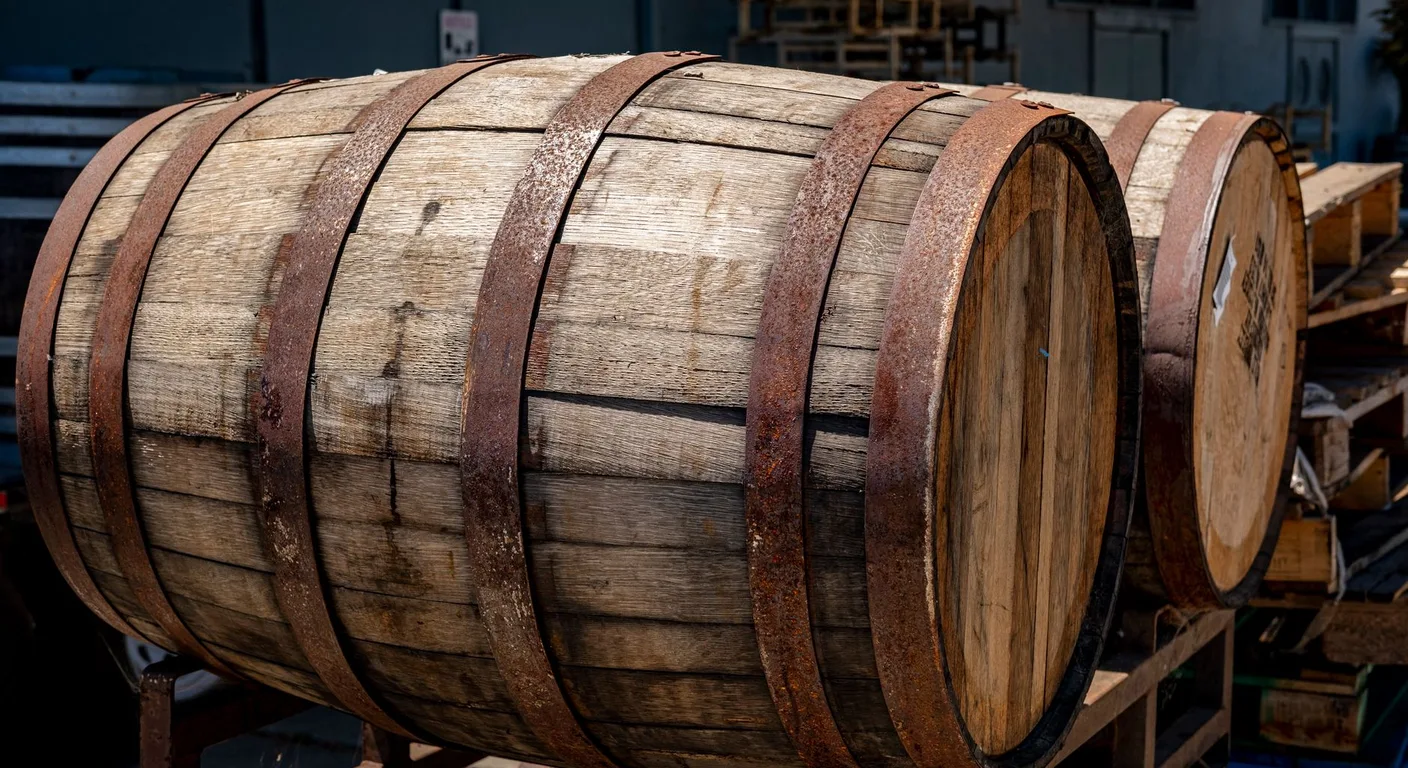
The Production account covers mashing, fermenting, and the actual distillation process. Spirits remain in the production account until they are officially gauged and transferred out. The Storage account encompasses bulk spirits held in tanks and maturing spirits aging in wooden barrels. Finally, the Processing account handles the preparation of spirits for bottling, which includes filtering, proofing down with water, adding approved flavors, and filling the actual bottles.
Each of these accounts requires its own specific monthly operational report unless you qualify for an alternate filing arrangement. Every entry on these reports must tie back to a daily log. When you dump a barrel, run a batch through a filter, or bottle a finished product, you must generate a gauge record detailing the exact volume and proof of the spirits involved. Failure to maintain these daily logs makes it impossible to accurately fill out your monthly reports, leaving your distillery highly vulnerable during an audit.
How is the federal excise tax calculated on distilled spirits?
The federal excise tax is calculated based on the volume and the alcohol concentration of the spirits removed from your bonded premises. Understanding the exact definition of a proof gallon is critical for every distillery owner. A proof gallon is defined as one liquid gallon of spirits that is exactly 50 percent alcohol by volume, which is 100 proof.
Because the tax scales directly with the alcohol content, a standard wine gallon of barrel strength whiskey at 120 proof contains 1.2 proof gallons and carries a higher tax burden than a wine gallon of vodka bottled at 80 proof, which contains only 0.8 proof gallons. The standard federal excise tax on distilled spirits is $13.50 per proof gallon, as detailed by the TTB Tax and Fee Rates schedule. Distillers often use an excise tax calculator to forecast their cash flow requirements before executing a large bottling run or scheduling wholesale distributions.
Relief is available for smaller producers under the permanent provisions of the Craft Beverage Modernization Act. Under current Craft Beverage Modernization Act guidance, the reduced rate is $2.70 per proof gallon on the first 100,000 proof gallons removed from bond each year. The rate increases to $13.34 per proof gallon on the next 22.13 million proof gallons, and returns to $13.50 for anything above that tier.
It is important to note a key regulatory caveat. A facility that only bottles spirits, without engaging in any other qualifying processing or production activities, may not be entitled to claim these reduced rates. Additionally, distilleries operating under common ownership must combine their production volumes when calculating these tiers, preventing large companies from splitting into multiple small entities to exploit the lowest tax bracket.
What are the standard payment schedules for federal excise taxes?
Your excise tax payment schedule is determined by your total tax liability from the previous year and your expected liability for the current year. The standard filing period for a Distilled Spirits Plant is semi-monthly. Under this schedule, you must file a tax return and pay your excise tax twice a month, which requires meticulous ongoing accounting.
However, to ease the administrative burden on small businesses, the federal government offers extended filing schedules based on specific thresholds. If your total federal excise tax liability for distilled spirits was less than $50,000 in the previous calendar year, and you expect it to remain under $50,000 in the current year, you are eligible to file and pay on a quarterly basis.
If your tax liability is exceptionally low, specifically under $1,000 per year, you may be eligible to file and pay on an annual basis. Moving to a quarterly or annual schedule significantly reduces paperwork, but it requires strict discipline to ensure the required funds are held in reserve until the payment due date arrives.
Can a distillery offer tastings and retail sales on site?
Operating a tasting room is a vital revenue stream for most craft distilleries, but it introduces complex compliance boundaries. Federal regulations do not allow taxpaid sampling or retail sales inside the bonded premises. Every drop of liquid inside your bonded area is considered untaxed federal inventory. To offer samples to the public, the spirits must first be officially removed from bond, which triggers the excise tax liability.
To sell bottles directly to consumers, pour tasting flights, or mix cocktails, you must construct a separate, nonbonded, taxpaid retail area often referred to as general premises. This area must have its own distinct entrance, its own point of sale system, and be physically segregated from the production and barrel storage spaces. The boundaries between the bonded production floor and the taxpaid retail room must be clearly delineated on your official premises diagram.
Managing this separation requires disciplined daily recordkeeping. When you move cases of bottled spirits from your bonded warehouse into your tasting room, you must log those removals on the exact day they occur. Those daily logs feed directly into your excise tax returns and your monthly operational reports.
Implementing reliable TTB reporting software ensures your monthly operational reports are accurate and your tax liabilities are calculated correctly. Spirit Sight provides purpose built distillery management tools designed to track your inventory seamlessly across both bonded and taxpaid premises. By automating proof gallon calculations, generating standard compliance forms, and tracking barrel maturation data, Spirit Sight helps distillers maintain total federal compliance while focusing on their primary goal of producing great spirits.
Key takeaways
- A federal basic permit, a Distilled Spirits Plant registration, and approved bonded premises are legally required before you can distill any potable alcohol.
- The complete timeline from initial facility buildout to final permit approval typically spans from 18 to 24 months because equipment must be installed prior to inspection.
- Distillery bonds must be accurately calculated based on the maximum potential federal tax liability of all untaxed spirits held on the premises.
- Federal excise tax is paid based on the exact proof gallon volume of spirits upon their removal from the bonded premises.
- Retail sales, cocktail programs, and tastings must occur in a clearly defined taxpaid area that is physically separated from the bonded production space.
Frequently asked questions
Is there a minimum production size required for a federal distillery permit?
No. The federal government does not enforce a minimum production size, but if you produce any amount of potable alcohol, you must secure a permit, follow all facility security regulations, and pay the associated excise taxes.
How long does it take to get a distillery permit approved?
While the federal target for processing a perfected application is roughly 60 days, the practical timeline spans 18 to 24 months because your facility must be fully built, equipped, and secured before the application is approved.
What is the standard federal excise tax on distilled spirits?
The standard federal rate is $13.50 per proof gallon, though eligible craft producers can utilize a permanently reduced rate of $2.70 per proof gallon on their first 100,000 proof gallons removed from bond each year.
How often do distilleries have to file excise tax returns?
The standard filing period is semi-monthly, but distilleries with an annual tax liability under $50,000 can qualify to file quarterly, and those under $1,000 can qualify to file annually.
Can I serve alcohol to customers inside my distillery production area?
No. Federal law prohibits taxpaid sampling or retail sales inside a bonded premises, meaning you must create a designated, nonbonded general premises to serve or sell directly to consumers.