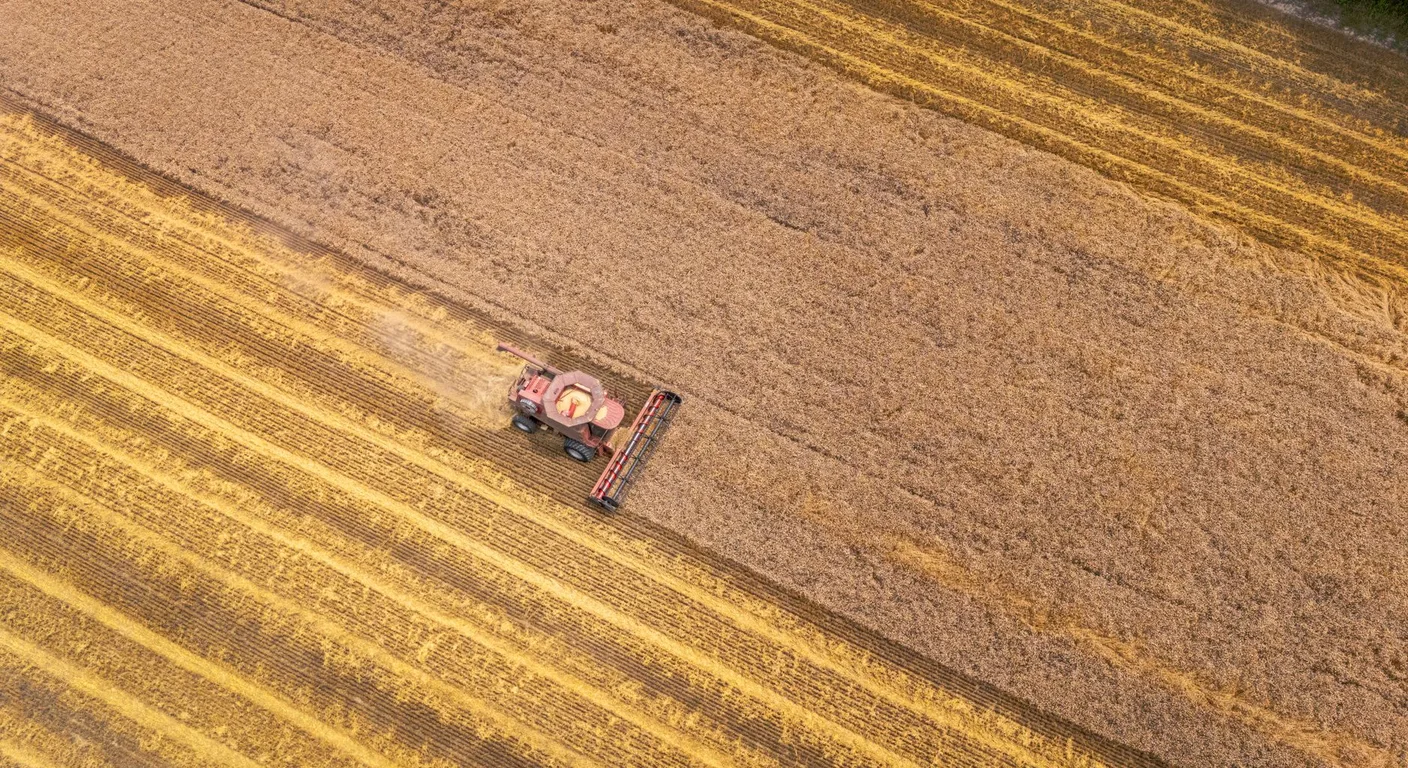
In short: Grain receiving and quality control at a distillery involves inspecting incoming raw materials for moisture, pests, and starch content before milling. Proper intake procedures protect your equipment, ensure consistent enzyme conversion during mashing, and provide accurate material tracking for cost accounting and TTB regulatory reporting.
Implementing strict grain receiving and quality control at a distillery is the foundational step for maximizing alcohol yield and maintaining a consistent flavor profile. By thoroughly inspecting moisture levels, verifying weights, and testing starch content before the grain hits the mill, operators can prevent costly fermentation stalls and equipment damage. Good intake practices also establish the baseline data needed for accurate inventory management and mandatory regulatory reporting. If your raw material is compromised at the loading dock, no amount of precise mashing or expensive distillation equipment will save the batch.
Why is grain receiving and quality control at a distillery so critical?
The financial and operational health of a distilled spirits plant relies heavily on the quality of its agricultural inputs. Grain is typically the largest recurring material expense for whiskey and bourbon producers. If a distillery receives a shipment of corn or rye that is degraded, overly moist, or infested with pests, the total available starch in that delivery will be substantially lower than expected. Lower starch means less fermentable sugar, which directly translates to a lower alcohol yield per ton of grain.
Beyond yield, poor quality grain can cause cascading failures throughout the production floor. Excessively wet grain can gum up roller mills, causing expensive downtime and requiring intensive maintenance. Contaminated grain can introduce aggressive bacteria into the fermenter, leading to stuck fermentations or unwanted souring. By treating the receiving dock as a strict checkpoint, operators protect their downstream equipment and their profit margins. Setting up accurate distillery cost accounting starts the moment raw materials arrive. If you do not accurately verify the weight and condition of the grain you receive, your calculated cost per barrel will always be based on flawed data.
What are the standard inspection and storage steps for a grain delivery?
When a truck or pallet of grain arrives, operators should follow a standardized intake checklist. The very first step is verifying the weight. Do not simply trust the bill of lading. Short shipments happen frequently, and if you assume you received 2,000 pounds when you only received 1,850 pounds, your mashing efficiency calculations will look artificially low, prompting you to waste time troubleshooting your mashing process when the real issue was a vendor error.
Next, perform a visual and olfactory inspection. Open the supersacks or sample the bulk truck. The grain should smell clean and earthy, never musty or sour. Operators should physically sift through the samples to check for foreign debris, stones, and pests like weevils. Stones can easily damage mill screens and spark fires in dust-heavy milling environments.
Moisture testing is perhaps the most critical physical check. You can use a handheld moisture meter calibrated for the specific type of grain. Ideally, incoming grain should have a moisture content below 14 percent. Anything higher invites mold growth during storage and creates severe bridging issues in silos, where the grain clumps together and refuses to flow out of the bottom cone. Once the grain passes inspection, it should be stored in a cool, dry place. Silos should be regularly checked for condensation, and bagged grain should be kept on pallets away from walls to allow for airflow and effective pest control. Always rotate your inventory using a first in, first out method. Like enzymes, grain degrades over time, so sitting on raw materials for too long forces your mashing process to work harder for fewer returns.
How does grain quality impact milling, mashing, and starch conversion?
The physical condition of the grain dictates how successfully it can be milled and mashed. Mashing is essentially the process of breaking down complex starches into simple, fermentable sugars. To do this, the starch must be exposed through milling and then dissolved in water through heating, a process known as gelatinization.
If your grain is of high quality and milled to the correct particle size, mashing follows a predictable curve. For an all-corn bourbon mash, distillers typically mix about 1.5 to 2 pounds of grain per gallon of total mash, or roughly 0.5 gallons of water per pound of corn. The corn is heated to around 183 to 190 degrees Fahrenheit to gelatinize the starches. During this heat-up phase, high-temperature alpha-amylase is added. However, alpha-amylase only liquefies the starch, turning a thick porridge into a manageable liquid. It does not create fermentable sugar.
To actually create sugar, you must cool the mash below 160 degrees Fahrenheit and add glucoamylase, or drop the temperature to roughly 148 to 150 degrees Fahrenheit to add malted barley. Malted barley contains natural diastatic enzymes that convert the liquefied starch. If your incoming grain was poorly stored or harvested too early, the starch matrix may be underdeveloped or already degrading. In these cases, even if you execute your temperature rests perfectly and apply the correct dose of enzymes, the mash will pass an iodine starch test but still produce an incredibly low starting gravity. Poor grain simply lacks the potential energy required to feed your yeast, leaving you with an underperforming wash that forces your stripping still to run longer for less product.
How does raw material tracking affect TTB compliance?
Every operational distillery in the United States must maintain strict records of the materials they receive and consume. The Alcohol and Tobacco Tax and Trade Bureau regulates these processes to ensure that all alcohol produced is properly accounted for and taxed.
According to 27 CFR § 19.584, a distilled spirits plant must maintain daily records of the kind and quantity of materials received on the premises, as well as the materials used in the production of spirits. This means that every delivery of corn, rye, wheat, or malted barley must be logged with its receipt date, weight, and supplier details. When that grain is moved from the storage silo to the mash tun, that movement must also be recorded to show the depletion of raw materials. Please note that this is general regulatory information and not intended as legal or tax advice.
Keeping these records on paper or disjointed spreadsheets can quickly become a logistical nightmare, especially during audits. Using reliable TTB reporting software simplifies this requirement by automatically linking your receiving logs to your daily mashing records. If a bad batch of grain makes it into your system and causes a spoiled fermentation, having digital lot tracking allows you to immediately identify which vendor supplied the grain, when it was received, and whether any other mashes are at risk.
How do you calculate production yield from a grain delivery?
The ultimate test of your grain receiving and quality control program is your final production yield. Yield is the measurement of how much alcohol you successfully extract from a given weight of raw material. By consistently tracking your input weights at the receiving dock and your output volumes at the spirit safe, you can measure the true efficiency of your operation.
To calculate this, you need to know the total pounds of grain dumped into the mash tun and the final volume and proof of the distillate collected. You can use a proof gallon calculator to determine the exact amount of pure alcohol produced. Once you have the total proof gallons, you divide that number by the hundredweight of grain used.
If you normally yield around 5.0 proof gallons per hundredweight of corn, but your latest batch only yields 4.2 proof gallons, you have a clear diagnostic signal. If your mashing temperatures and enzyme dosages remained constant, the drop in yield almost certainly points back to the grain quality or the milling gap. This data feedback loop is why weighing and testing grain at the door is so vital. It removes the guesswork from production troubleshooting and holds your suppliers accountable for the quality of their deliveries.
Spirit Sight helps distilleries manage their entire production workflow, from tracking incoming grain shipments and lot numbers to calculating accurate costs per proof gallon. By connecting raw material inventory directly to daily mashing, fermenting, and distilling logs, our software gives operators the clear, reliable data they need to run a profitable, efficient, and compliant facility.
Key takeaways
- Inspect every delivery for moisture content and pests to prevent silo fires and bacterial contamination.
- Weigh incoming grain accurately to establish a reliable baseline for cost per proof gallon calculations.
- Match your milling strategy to your mashing equipment to optimize starch gelatinization and enzyme efficiency.
- Log all raw material receipts meticulously to maintain compliance with TTB processing and production records.
Frequently asked questions
What is the ideal moisture content for incoming distillery grain?
Grain should generally have a moisture content below 14 percent. Higher moisture levels risk mold growth, bacterial contamination, and poor milling performance.
How does grain quality affect starch conversion?
Poor quality or degraded grain has lower available starch, meaning standard enzyme additions will yield less fermentable sugar and lower your total alcohol output.
Do I need to record every grain delivery for the TTB?
Yes, the TTB requires precise daily records of all raw materials received and used in the production of spirits.
Can poor grain quality be fixed by adding more enzymes during mashing?
No. Enzymes can only convert the starch that is actually present and accessible in the grain. If the grain is degraded, no amount of extra enzyme will magically create more fermentable sugar.